What We Do
Research & Practice- Urban Observatory
Our research questions are rooted in everyday experiences and issues in the city. How are people, especially those in informal settlements coping with rising heat? In what ways can we make our cities more child friendly? Why are there not enough public toilets on our streets that are safe, hygienic and easy to access? We then come up with ways to collect data- gathering spatial data, taking photographs, conducting interviews, doing recce walks, carrying out surveys, focus group discussions, and fieldwork and ethnography. This is followed by rigorous quantitative and qualitative analysis. We finally disseminate research insights through academic and creative means in the forms of journal articles, research briefs, visual guides, infographics, to name a few. These research insights inform our community engagement practices, solution building, and finally teaching and learning.
Glimpses of Past Research and Practice Projects:
imagine @ Low Cost Action Lab
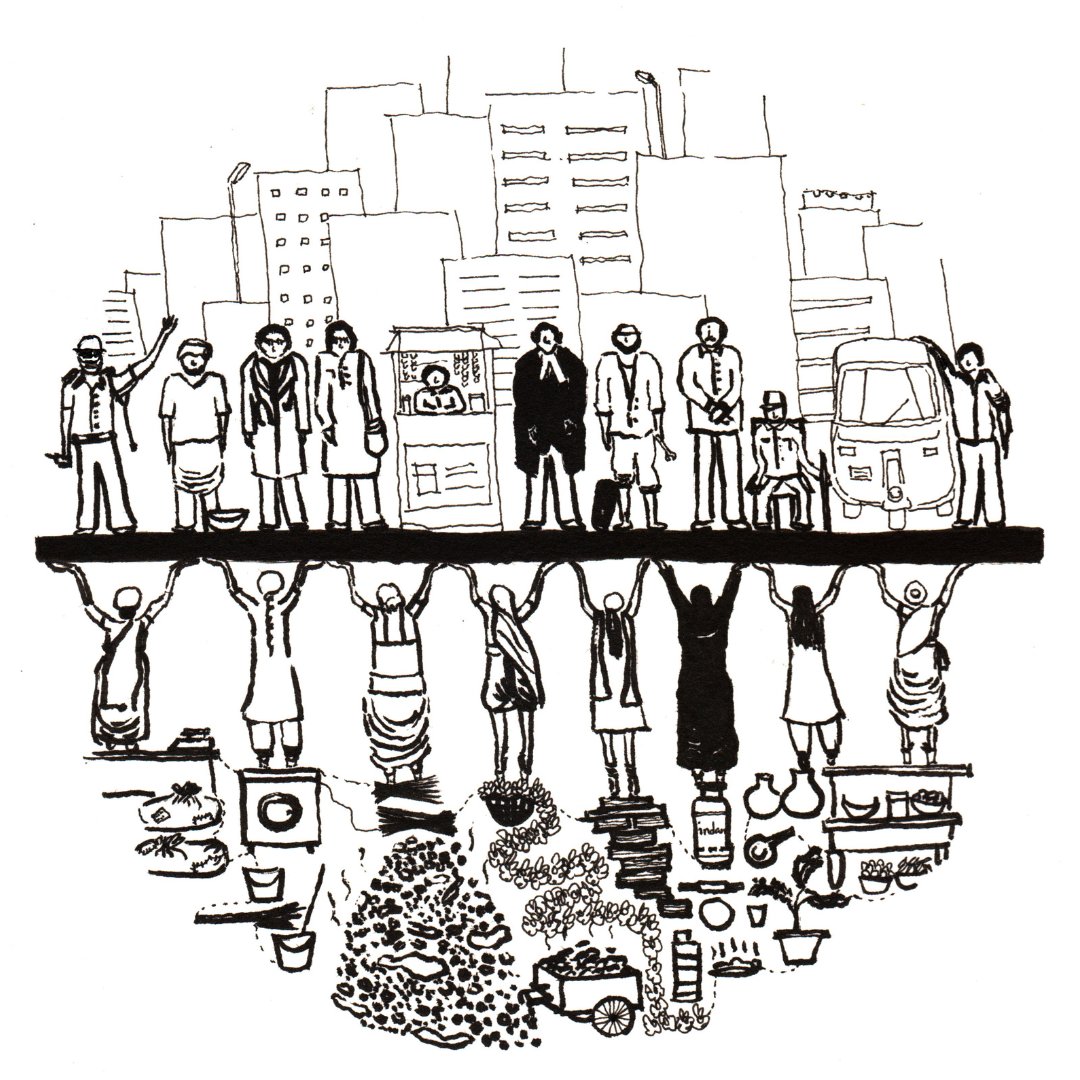
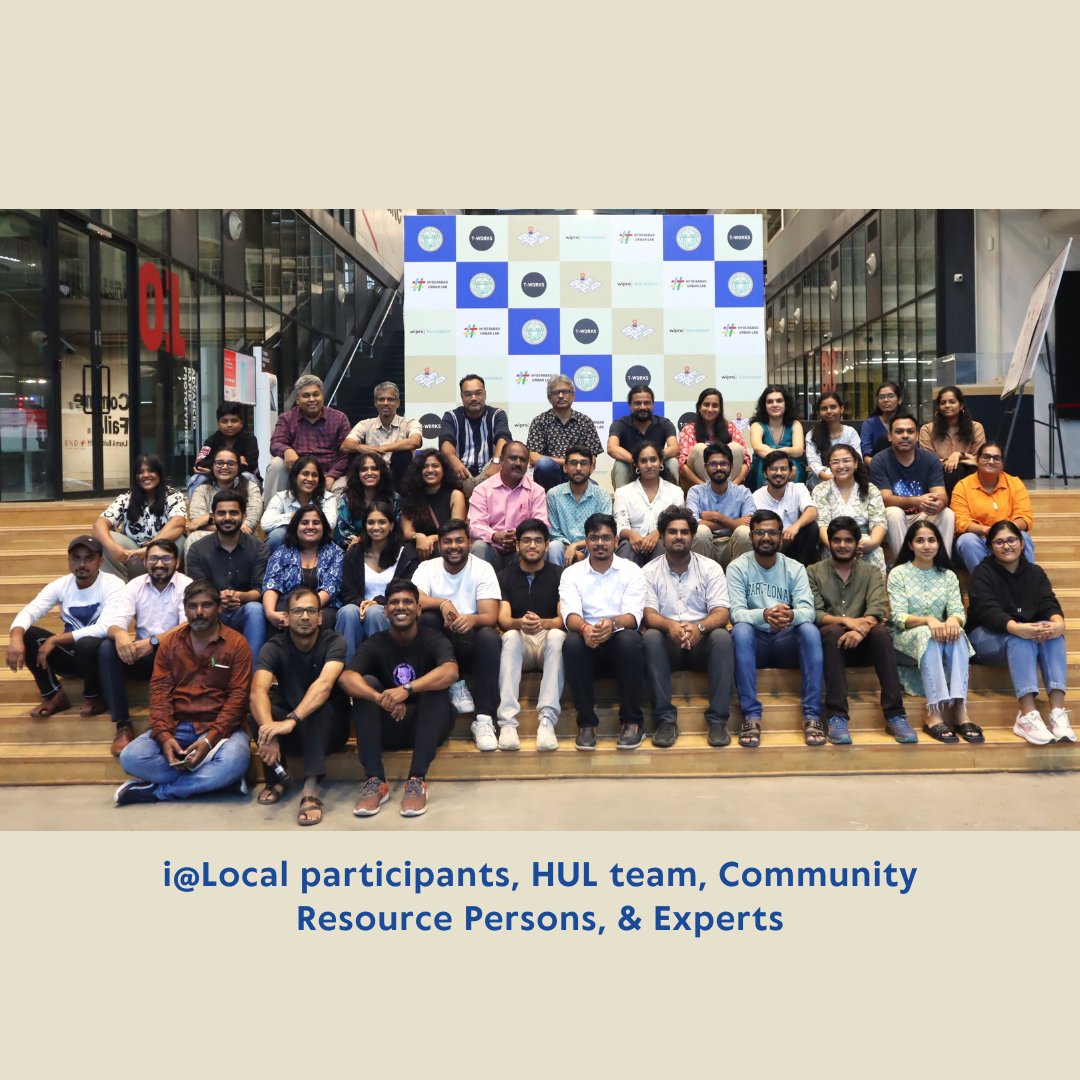
In the latest iteration in 2024 “re-imagining Values and Returning Places back to their Communities: An Urban Ideas Contest”, 483 people from 24 countries with diverse backgrounds registered for the competition. Participants came from various disciplines, including art, architecture, law, natural and social sciences. They engaged in workshops, team building exercises, and online group activities. Out of the 51 entries received for the contest, the jury selected 17 that received mentorship to carry forward their ideas with dedicated professional mentors and develop proposals for implementation.
COVID19 and the City
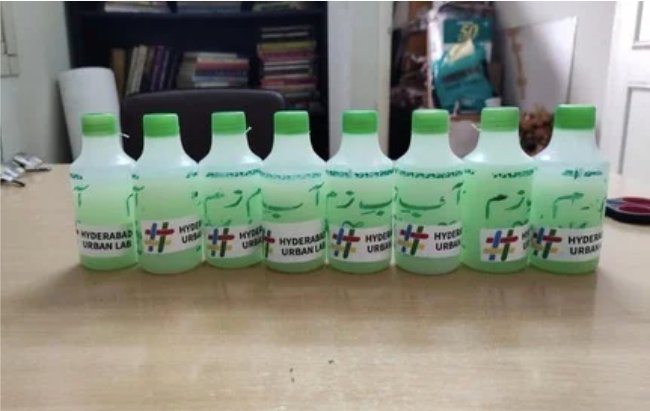
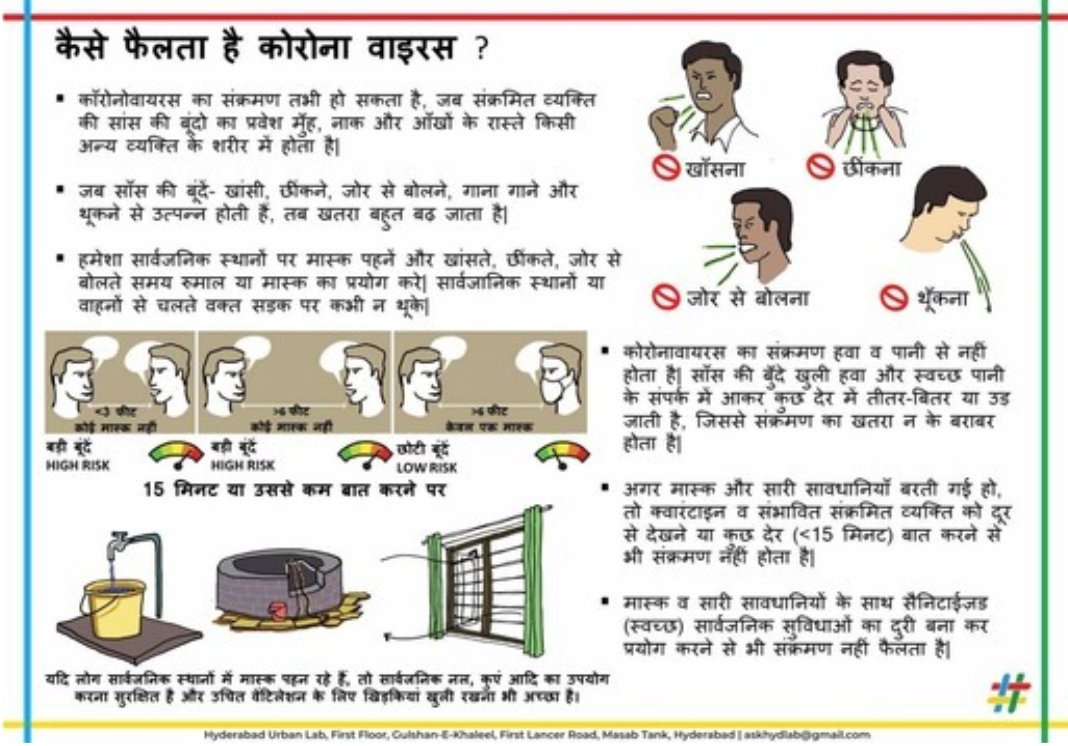
When COVID-19 hit, we worked closely with our local networks, identified neighborhoods facing urgent shortages and raised funds to create comprehensive relief kits. Over twelve weeks of lockdown, we distributed essential supplies—rice, vegetables, cooking oil, medical items, and educational materials—directly to families who needed them most. Simultaneously, we developed multilingual demand charters addressing monetary, transport, communication, and nutrition needs of vulnerable populations, distributing these advocacy tools throughout civil society networks. When the Greater Hyderabad Municipal Corporation announced free meals at Annapurna Canteens, we recognized accessibility challenges and created both static and interactive maps to help hungry families easily locate the nearest food source. Through immediate response, targeted advocacy, and practical digital solutions, we ensured critical resources reached those facing the greatest hardship during an unprecedented crisis.
Our research on the specific challenges of migrant workers in Hyderabad added to our knowledge repository in addition to the ones we created during our relief efforts. In 2021, as part of Regional Studies Association’s policy research we carried out qualitative research on grassroots responses to the pandemic which culminated in the publication of a book chapter “Social security for informal workers: The case of Hyderabad” in the book “COVID-19 and informal workers in Asian cities: Impact, response, and implications for urban recovery”.
Reflections
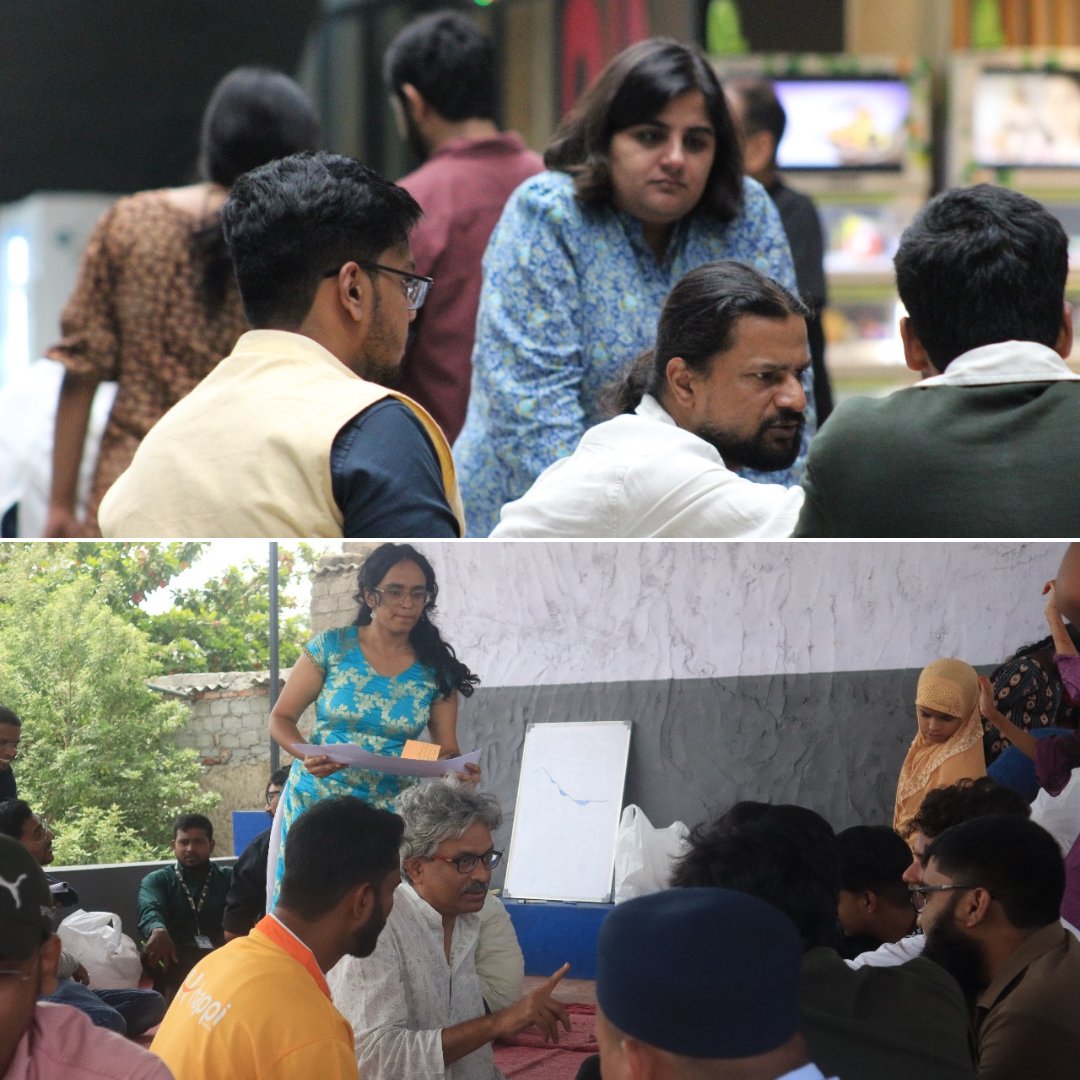
As we have engaged in questions of the city, its politics, history, and socio-spatial complexities, we realised the significance of including voices, ideologies, and ways of thinking from people who are spread across physical and social locations. We strive to build bridges, facilitate conversations, strike up ideas to be taken forward, incubate groups, and organise events for all these people and ideas to come together.
One such platform is our annual event- Do Din. As the name suggests, it’s a two day long event where we invite artists, academicians, performers, civil society members, and everyone interested in sharing and learning about the city. 8 iterations in, with over 1600 participants has been one such space where we have brought together people from different walks of life who connect with the city and with each other in many new interesting ways.
Glimpses of Past Projects fostering Reflection and Dialogue:
Gol Mez:
Gol Mez is a reflective dialogue series crafted to bring together scholars and practitioners committed to understanding the histories, complexities, and lived realities of the Hyderabad Deccan. Conceived as a space for careful conversation and exchange, Gol Mez values intellectual rigour, academic curiosity, and the richness of place-based research. With 3 successful iterations, these round table conversations were centered around various facets of Hyderabad Deccan.
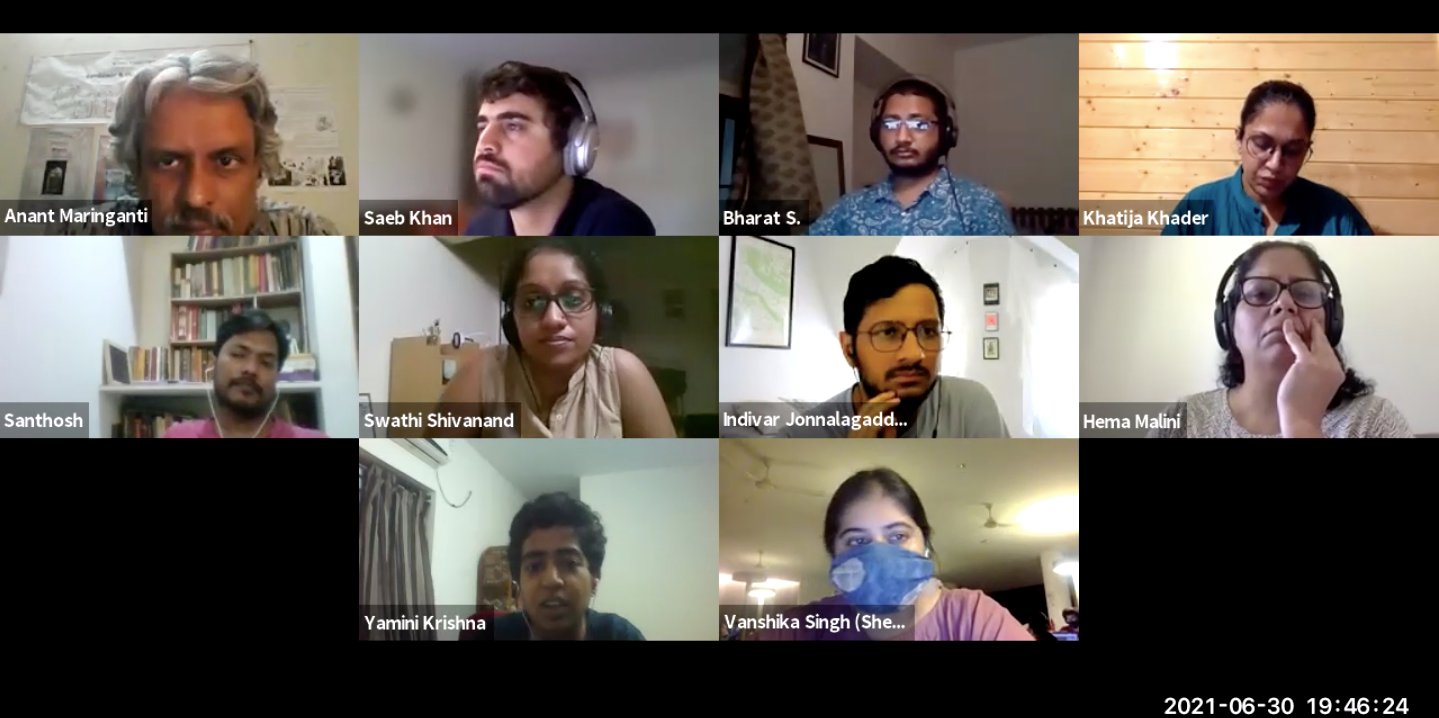
The first round of Hyderabad Deccan Gol Mez brought together 10 scholars from diverse backgrounds- art history, anthropology, film studies, and so on. These conversations resulted in public facing publications such as “Deccan Series” and “Many Worlds of the Deccan”. This was also a significant conversation series, since it gave rise to the Khidki Collective– a group of researchers who share a common interest in the Deccan region and its larger significance in contemporary India.
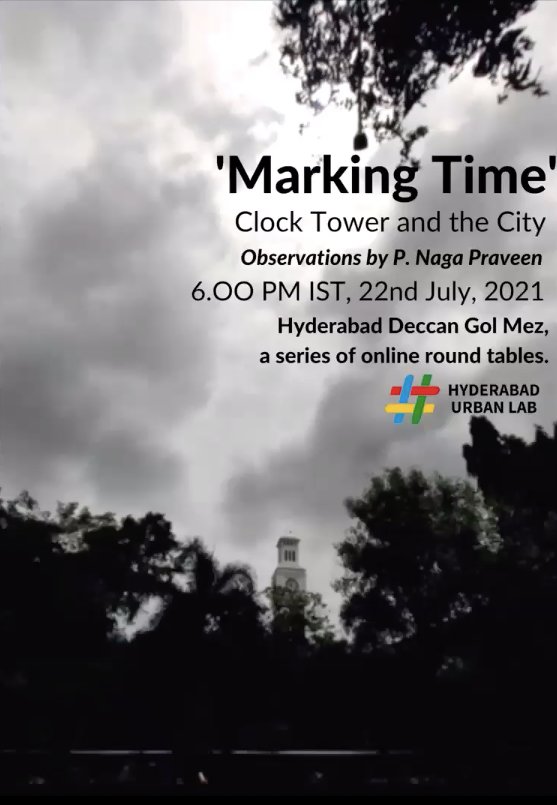
The second round of Goz Mez was titled “Marking Time” and delved into the specific significance of clock towers in shaping the architectural, and cultural histories of Hyderabad Deccan.
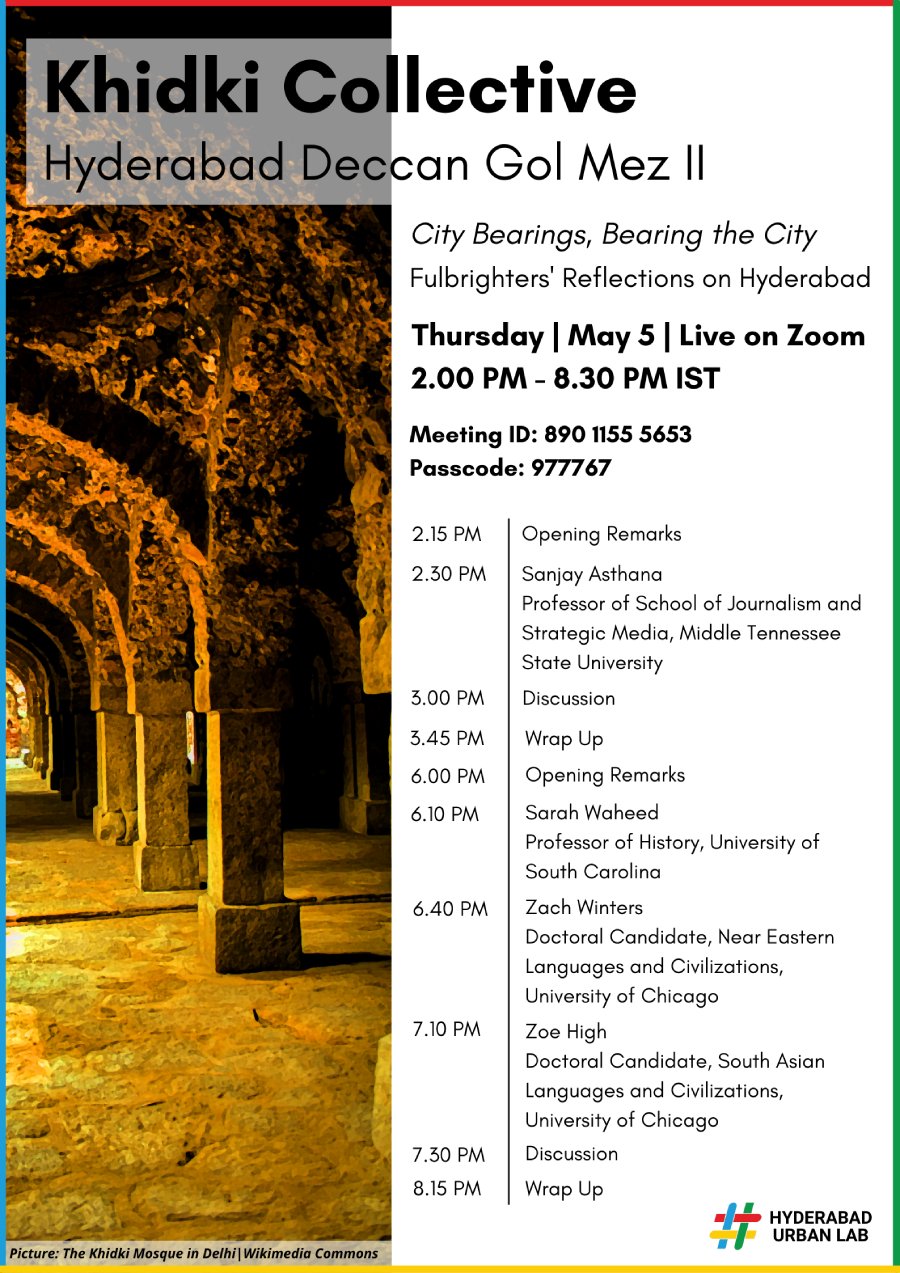
The final iteration brought together Fullbright Scholars working on the Deccan, in a session titled “ City Bearings, Bearing the City”.
Do Din 2023
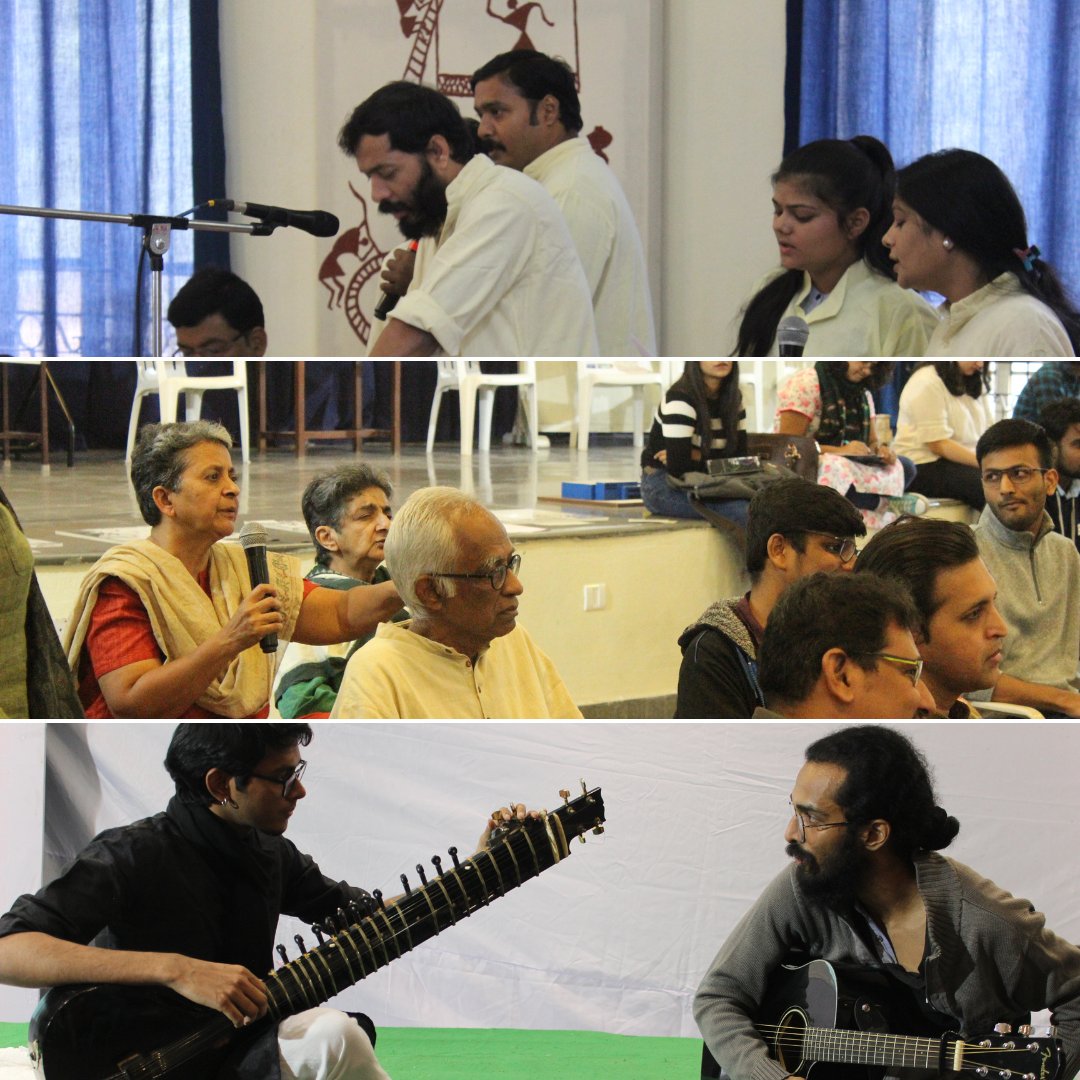
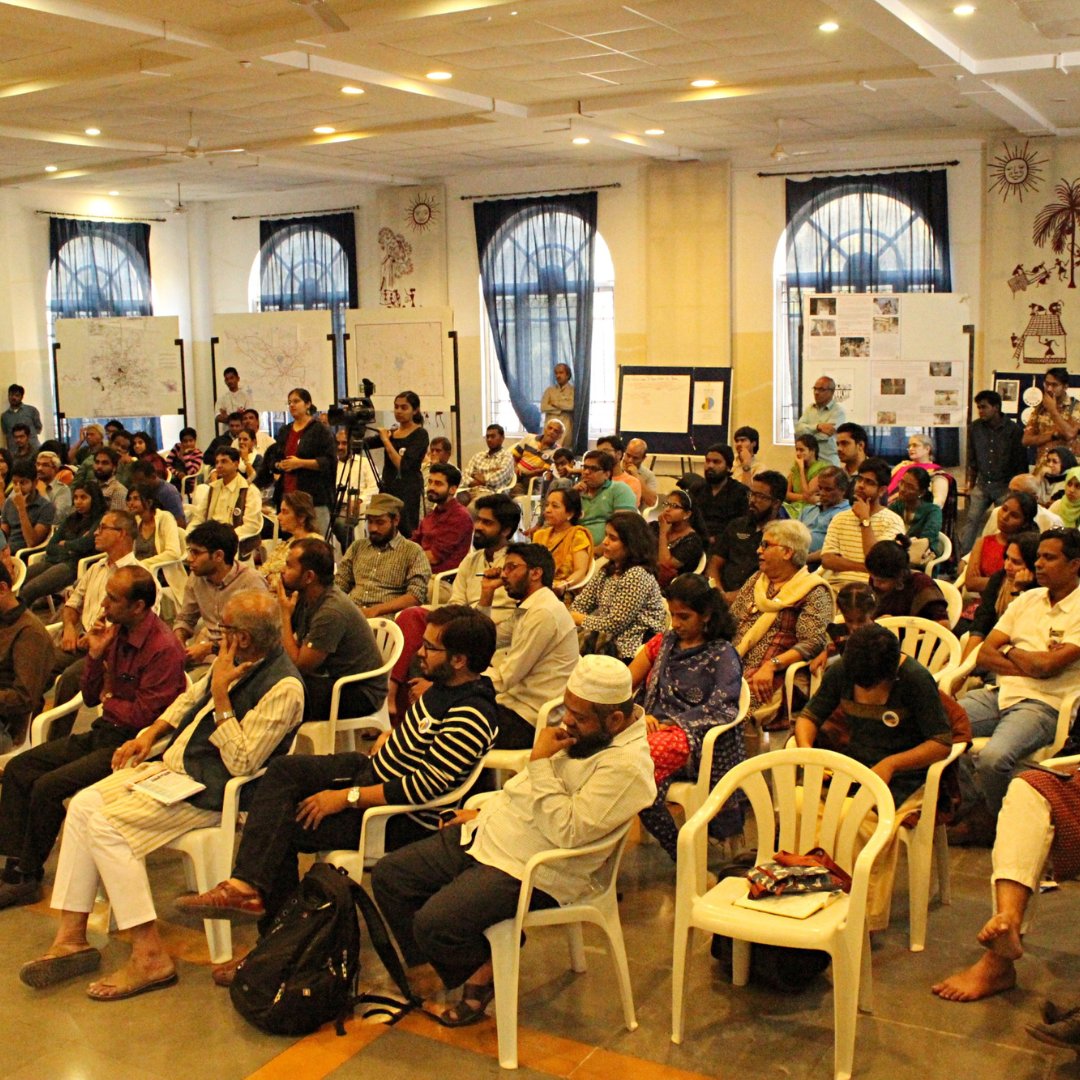
The latest iteration of our Annual Event hosted at Lamakaan brought together civil society practitioners, artists and performers, researchers, and Hyderabadi’s interested about the happenings in the city. Sessions ranged from young people sharing their aspirations, poetry writing workshops, and panel discussions. Do Din 2023 also brought together conversations on topics ranging from institutionalising support for LGBTQ communities, and developing a scientific temperament to challenges of gig workers, legal barriers to saving Chevella Banyans and questions of publishing and translating research in Indian languages. Poetry readings, jam sessions and a theater play were an integral part of the two day event which promoted creative expressions for stories from our everyday lives.
Teaching and Learning
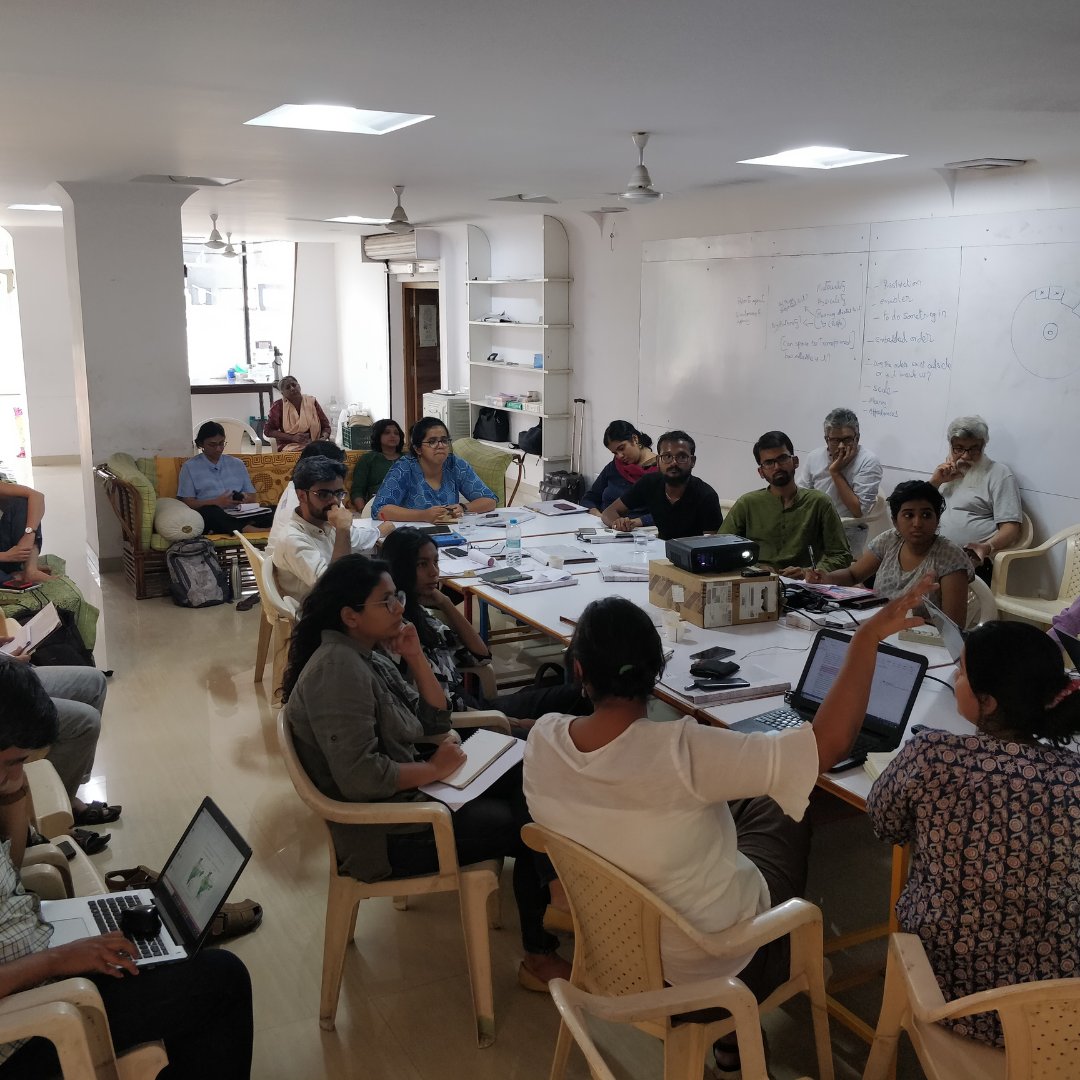
HUL has always believed in the need to teach the urban in the particular context of the global south through incorporating a mix of theoretical understanding, empirical methods, and critical thinking. We have several academic publications and we have utilised insights from our research to conduct multiple courses and workshops and taught over 150 students. From time to time we also conduct urban walks, and facilitate field exposure visits for students from educational institutes such as TISS, and IIHS. The city is our classroom, laboratory and teacher.
Glimpses of Past Courses
Pandemic and the Southern City
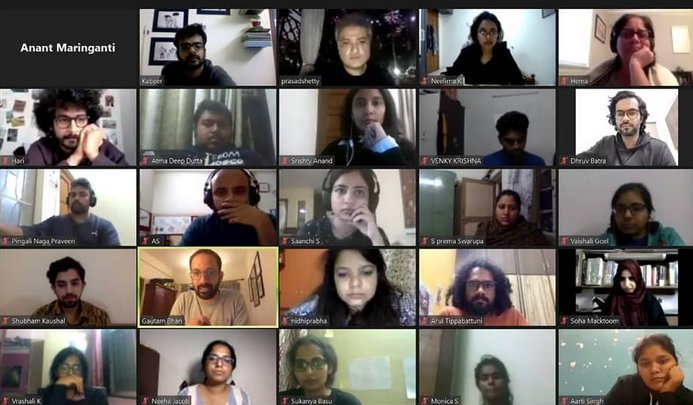
In 2020, following the pandemic induced lockdown and the consequential restrictions on movement and fieldwork, we introduced a series of three-day online courses for graduate students, early and mid-career researchers, and urban practitioners. Titled “Pandemic & the Southern City”, these courses drew on three main resources: the growing body of scholarship on Southern Urban Theory, the respective practices of faculty members, and the resources generated through HUL’s practice, during and before the COVID-19 pandemic and lockdowns.
Three editions of these courses have been offered so far, in November 2020, March 2021 and November 2021. More than 70 individuals, from different places, varied life experiences and diverse professional backgrounds have been a part of the course.
GIS @ HUL
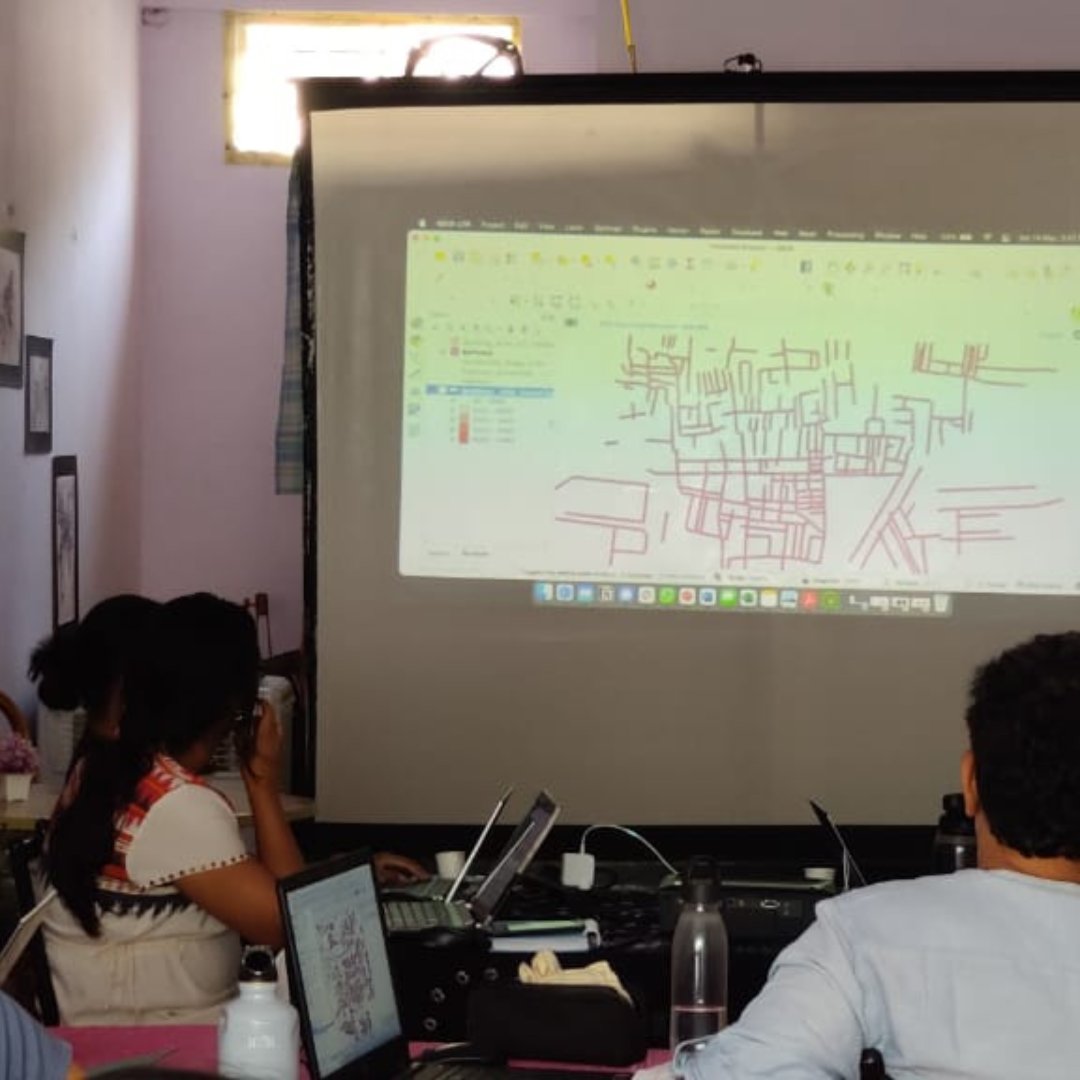
With increasing heat waves, urban floods and air pollution year round, our cities and their residents are facing different kinds and degrees of risk and hazard throughout the year. These workshops, tailored for individuals of diverse backgrounds and interests, were meant to build capacities in citizens to work with spatial data, so they work together for their cities, as and when the need arises.
Started in December 2021, these workshop series were meant to foster spatial imaginations and data skills for residents, social scientists, urban practitioners and social workers. The workshops were taught over multiple sessions through three intensive days, familiarising participants with the basics of spatial thinking, and introducing them to the tools and data sets necessary to work with maps and data. We used specialised datasets and maps, to teach participants the methods and intricacies of assessing and uncovering disaster risk in urban areas.